


Sciences Department of Unimore university
MODENA
ITALY
A Sciences factory for students and researchers
The Unimore Departments of sciences have a new home, designed to be sustainable under various aspects.
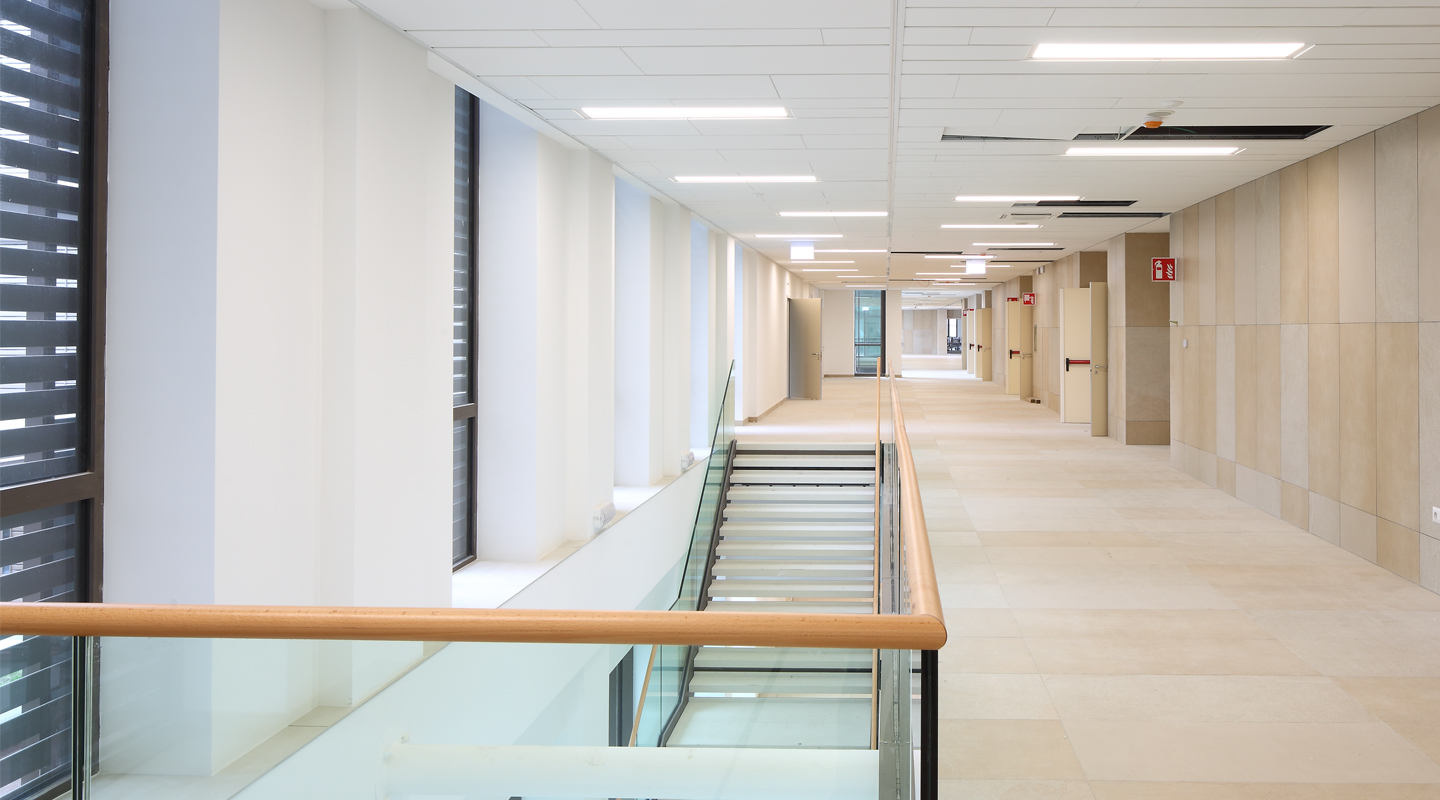
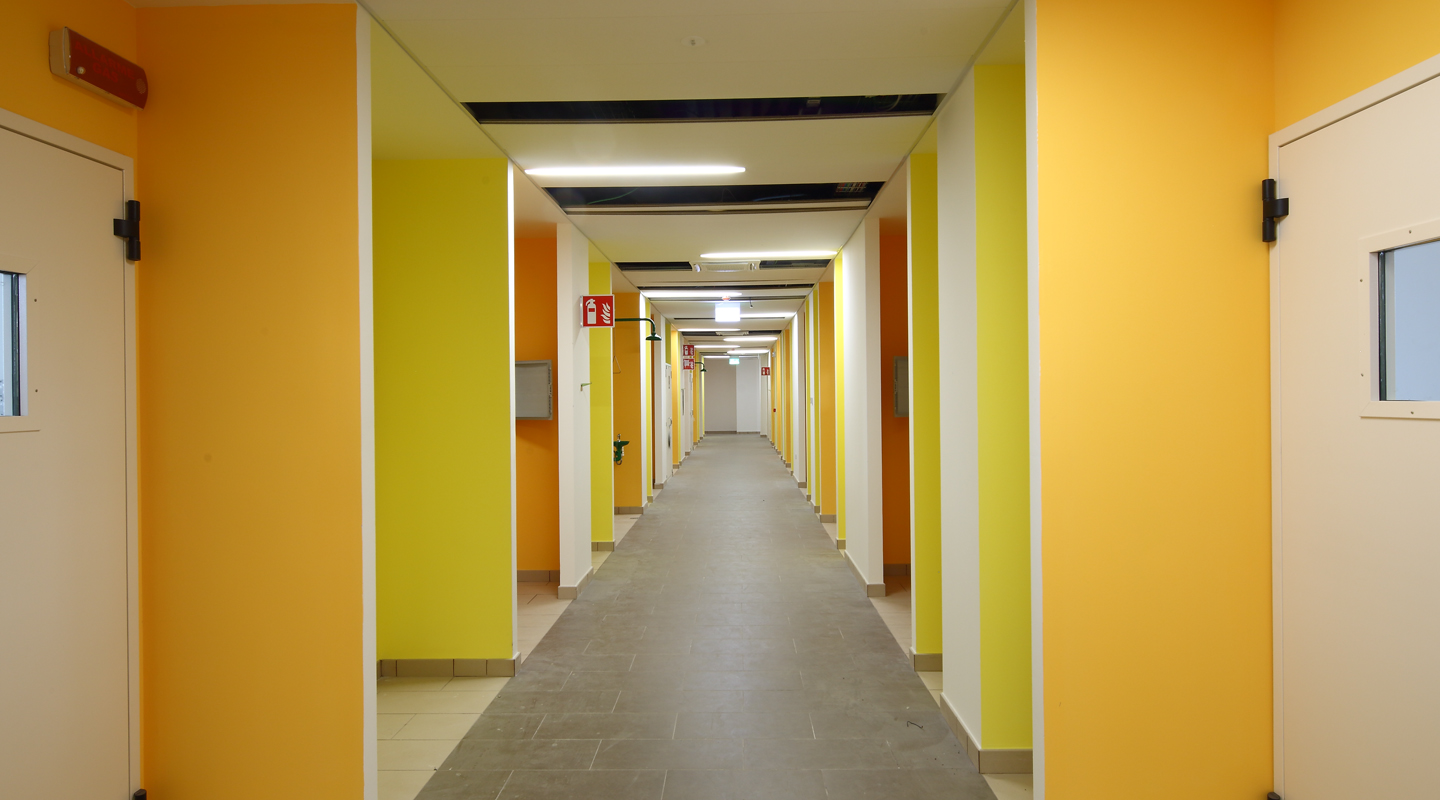
Seen from above, it’s in the shape of an “E”; seen from inside, it’s a pleasantly liveable place illuminated by natural light in the corridors and in the laboratories, with increased comfort and a more people-friendly environment.
Designed to house a permanent academic population of around 2,300 people, the building has two large open courtyards oriented towards the historic city and two closed green areas onto which the teaching areas overlook. Scientific research is housed in the top floors.
METAL FREE
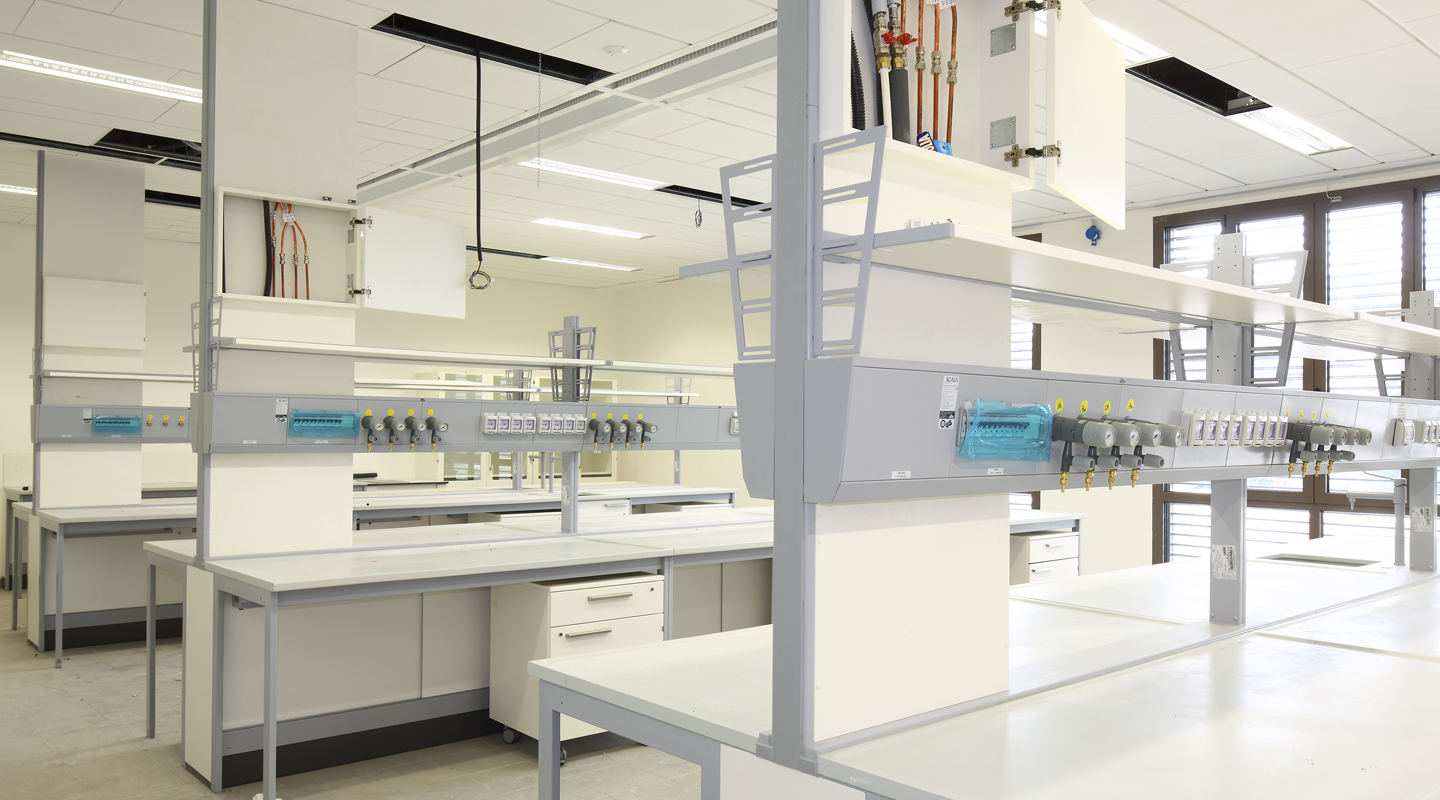
Unique in Italy, without any parts in visible metal, creating a contamination-free environment.




14.000
sqm useful developed surface area
2.300
permanent academic population
56
research laboratories
Technical Description
University building arranged in four blocks that create two open courtyards oriented towards the historic city. Composed of a basement floor and five floors above ground developed on a useful developed surface area of 14,000.00 sq.m., 5,500.00 sq.m. of green and services areas, 140 car park spaces above ground and 40 underground spaces. The building, constructed with the latest anti-seismic criteria, is organized in a traditional and reassuring layout from an environmental and architectural point of view, despite the complex technological functions of its research laboratories: the structures conceal shafts, ceiling systems and the technical plan.
The latter maintains the characteristics of the building structure only for the vertical parts, while the roof is in fireproof coated steel to limit the weight and improve anti-seismic efficiency. The building’s systems have been designed following energy-saving, safety and functional criteria. The structures are fitted with a photovoltaic system in polycrystalline silicon. The planned quantity of panels is much greater than the minimum required by current laws in order to guarantee a greater proportion of energy generated from renewable sources.
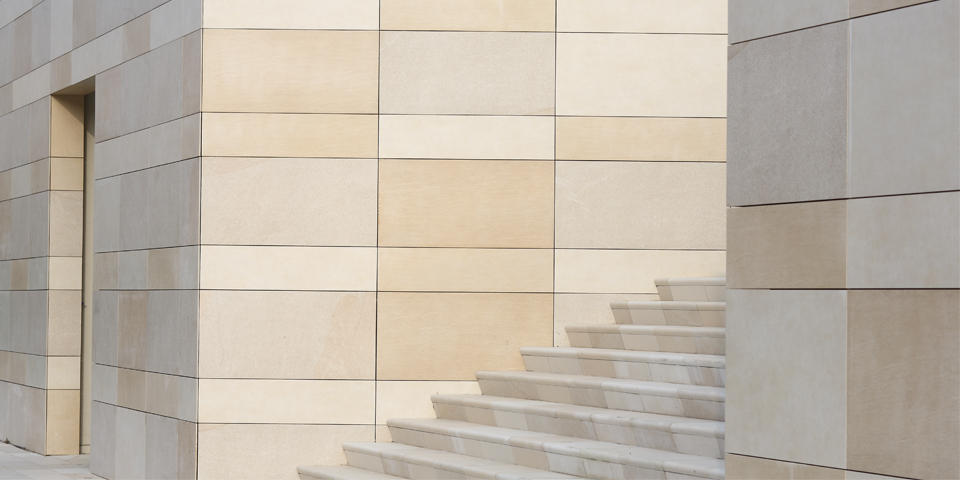
The ceramic floor and wall coverings protect the structure from atmospheric agents. The air circulates in the wall cavities and prevents “condensation”.
Alessandro Zuccoli
Project manager


